


 T. Nashipae
The injured sport! How safe are sportsmen in Kenya?


.jpg)

Reading Time: 5min | Thu. 16.02.23. | 17:10
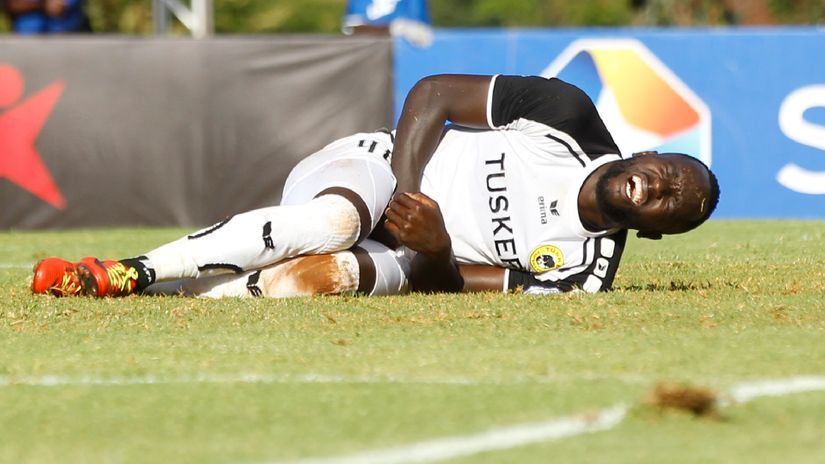
Upto three players have died in Kenya as a result of injuries sustained while playing.
Injuries are unavoidable in today's sports. Injuries are common for the majority of sportspersons, whether it is minor muscle strains or broken bones.
Some injuries clearly necessitate medical attention. Even injuries that appear to be muscle pulls, strains, and sprains can be broken bones (fractures) or tendon tears. That is why it is critical to seek immediate medical attention.
In December 2016, the Kenya Rugby fraternity was brought into mourning by the death of local rugby player Ogeta Gecheo (OG) who succumbed to injuries he sustained while playing for his team Nondescripts. The 20-year-old got injured as he tackled an opponent in their Kenya Cup match against Strathmore Leos.
Aberdeen Shikoli, the then-Captain of the National Women's Rugby team, died in 2012, less than five years before OG's incident, after suffering injuries during the first leg of the Elgon Cup in Uganda.
These deaths, including that of Nondies player Samson Odhiambo, who died just 24 hours after suffering an injury in July 2002, raise concerns about the safety of Kenyan sportspersons, the quality of medical care, and the preparedness of medical personnel in the event of an injury.
In fact, it raises further concerns about Kenyan clubs' and federations' readiness to treat sportspersons who are injured while playing for either club or country.
Is there a sufficient number of sports doctors in Kenya? Do teams and/or individual players make an effort to manage or even prevent injuries?
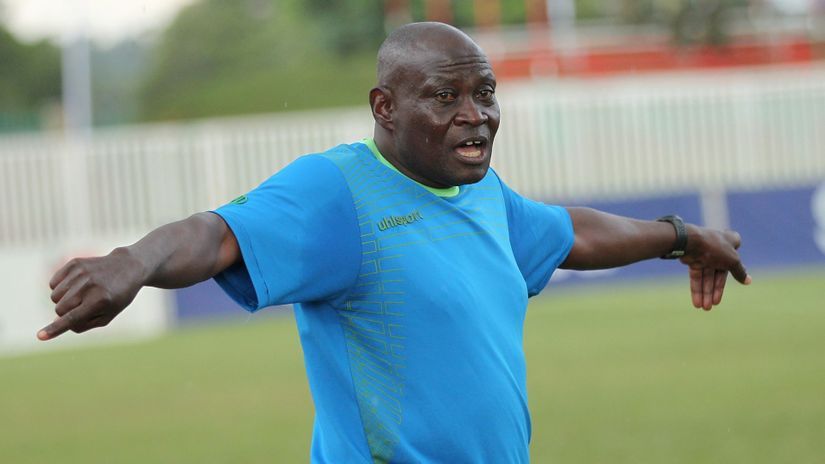
According to Moses Muge, an Eldoret-based basketball coach, many players were injured but lacked professional care, which he said was expensive and mostly available in private facilities. Kenyan coaches, according to Muge, are not well equipped to deal with injuries sustained during training and competitions.
“Most athletes are boys from the neighborhoods. They cannot afford medication, most of them do not have NHIF covers, or NHIF does not cover some injuries. In Kenya, if you are a coach, you are also a team doctor,” Muge said.
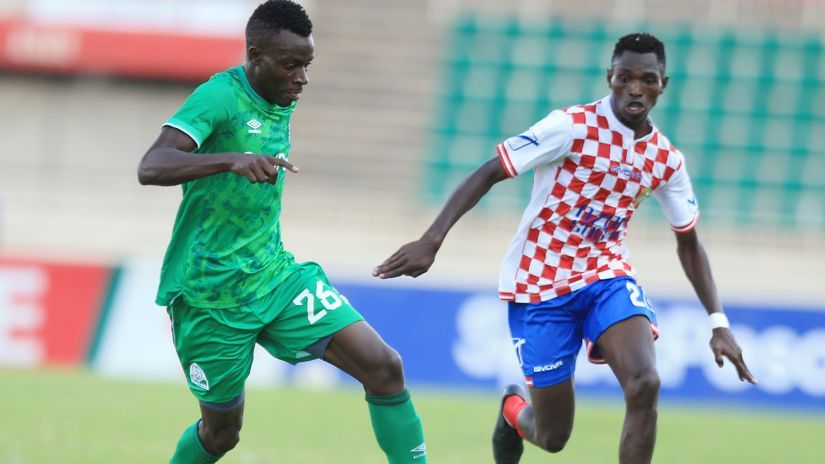
Michael Dena, a Shoot 4 Life basketballer, was concerned that many of his teammates dropped out of the season because injuries are expensive to treat, and the basketballers have no medical insurance.
“Many athletes are out of the season because of injuries. It is expensive to treat injuries since many young basketballers have no medical insurance. Coaches occasionally help to pay hospital bills, but at times they have no money,” Dena lamented.
.jpg)
World governing bodies for sports such as football and rugby require ringside and touchline physicians to be present during professional bouts and international or league matches. Every football or rugby game must have an Automated External Defibrillator (AED) to restart the heart in the event of cardiac arrest. An ambulance must also be present.
A sample case is that of England player Fabrice Muamba who collapsed after suffering a cardiac arrest during the FA match between Bolton Wanderers and Tottenham Spurs in 2012.

Several medics huddled around him, each doing their job. Their quick response, preparedness, and availability of appropriate equipment were critical in bringing Fabrice back to life after his heart stopped beating for 78 minutes.
Christian Eriksen’s life was also saved during the Euro 2020 clash against Finland in Copenhagen when he suffered a cardiac arrest.
Human shield!! The Danish team protecting their brother, their teammate #Eriksen from the cameras, spectators in the stadium, from viewers across the globe.. From all the eyes. Respect.. #DENFIN #DEN pic.twitter.com/HccXO0Yf7j
— Katami Michelle (@MichKatami) June 12, 2021
In Kenya, the importance of having trained team doctors is not emphasized. Other injuries are beyond the scope of physiotherapists and first responders.
According to Dr. Tracy Ray of the University of Georgia in the United States, physical injuries among Kenyan and US athletes are mostly similar, but there was a difference in the mode of training for the management and treatment of the injuries.
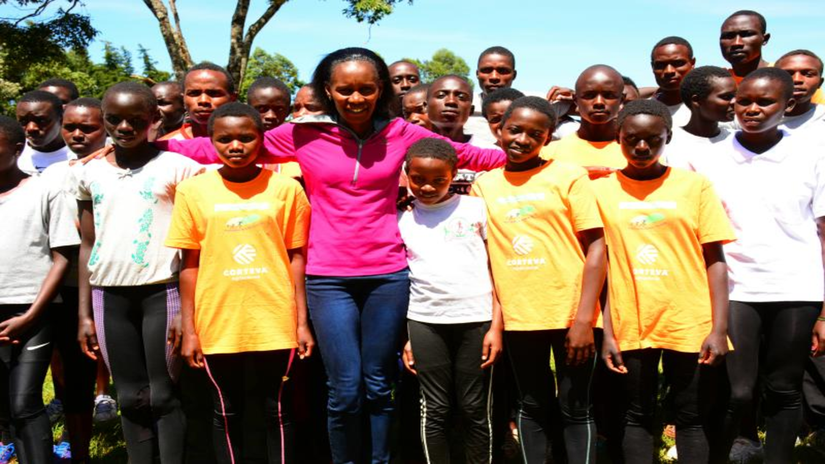
In Kenya, he said, athletes were being handled by coaches, while their counterparts in the US are shaped by trainers who have training in sports medicine care, and must be licensed and certified healthcare professionals.
Dr. Tracy Ray who is also the team leader of Running the Race said that Kenya still has a long way to go when it comes to managing and treating sports injuries. He also noted that the country lacks sports doctors.
Running the Race is a group of six doctors from the United States who have been offering free medical services to Kenyan sportsmen in Eldoret and Iten for the past five years.
The entire field of sports medicine is expensive in every way. This course is not available at local medical schools or universities.
In response to this, Dr. Ray noted that they were in talks with the Kenya Medical Training College to introduce a course on the same and even take a team to the US to study sports medicine.
“We are also looking to train Kenyans to offer the same level of care when we are not here. Together with our physios, we have visited training camps run by coaches. We would like to bring some Kenyan physios and physicians to the US to learn sports medicine and come back to provide professional sports medicine and care,” Dr. Tracy Ray told Mozzart Sport.
The equipment used in the treatment of sports-related injuries is also expensive, and because Kenyan federations and clubs are still struggling financially, they cannot afford such equipment and the services of specialized doctors.